
You are spending ₹50,000 to ₹5 lakh a month on Meta. Last week ROAS was 3.1. Today it is 1.4. So you duplicate the campaign, switch CBO to ABO, and wait for the account to “stabilise.” Three days later, CPA is worse and the data is messier.
CBO is not magic. ABO is not dead. The expensive mistake is using the right tool at the wrong stage.
The difference in one line
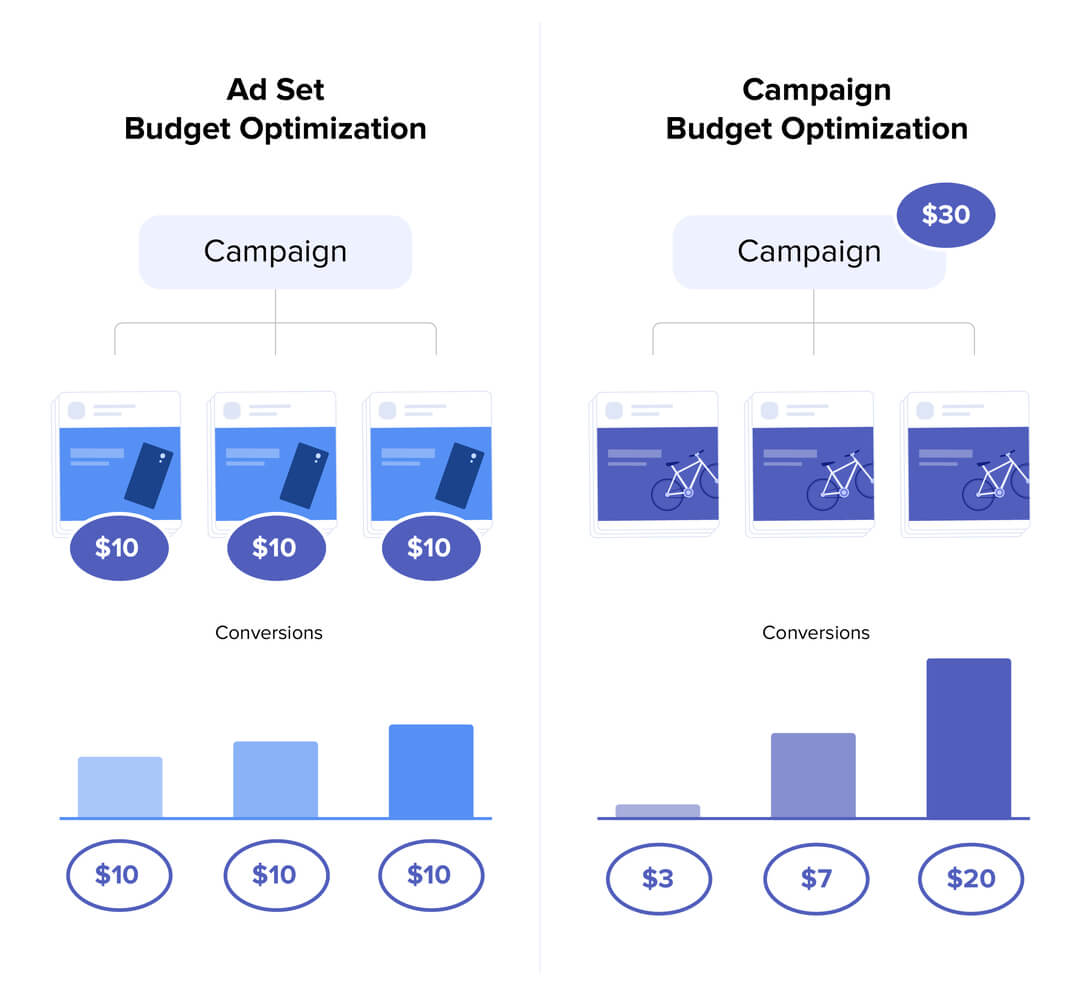
ABO buys information. CBO buys efficient distribution. Testing needs controlled spend so you can learn; scaling needs flexible spend so Meta can exploit proven demand.
ABO
Budgets sit at ad set level, giving each test a controlled chance to spend.
Creative concept tests
Audience or offer tests
Low-budget control
Cleaner comparisons
Predictable distribution
Manual rebalancing
Can fund weak ad sets
CBO
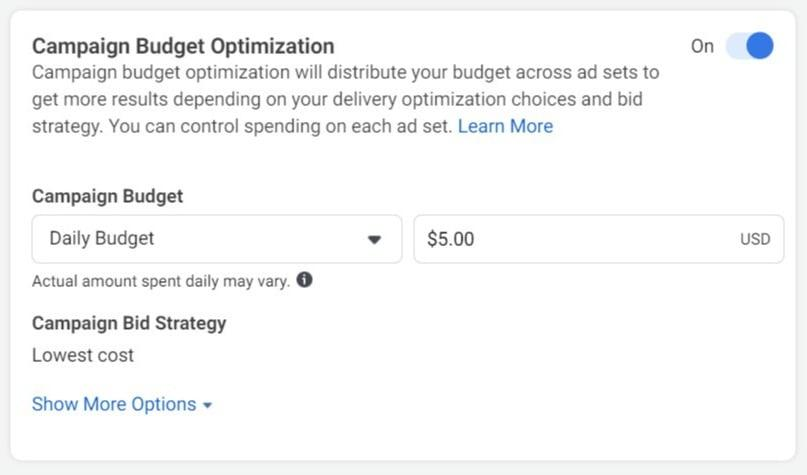
One campaign budget lets Meta move spend toward its strongest predicted opportunities.
Scaling proven creatives
Broad targeting
Higher-volume accounts
Dynamic allocation
Less manual management
Uneven test spend
Can pick winners too early
When each strategy wins
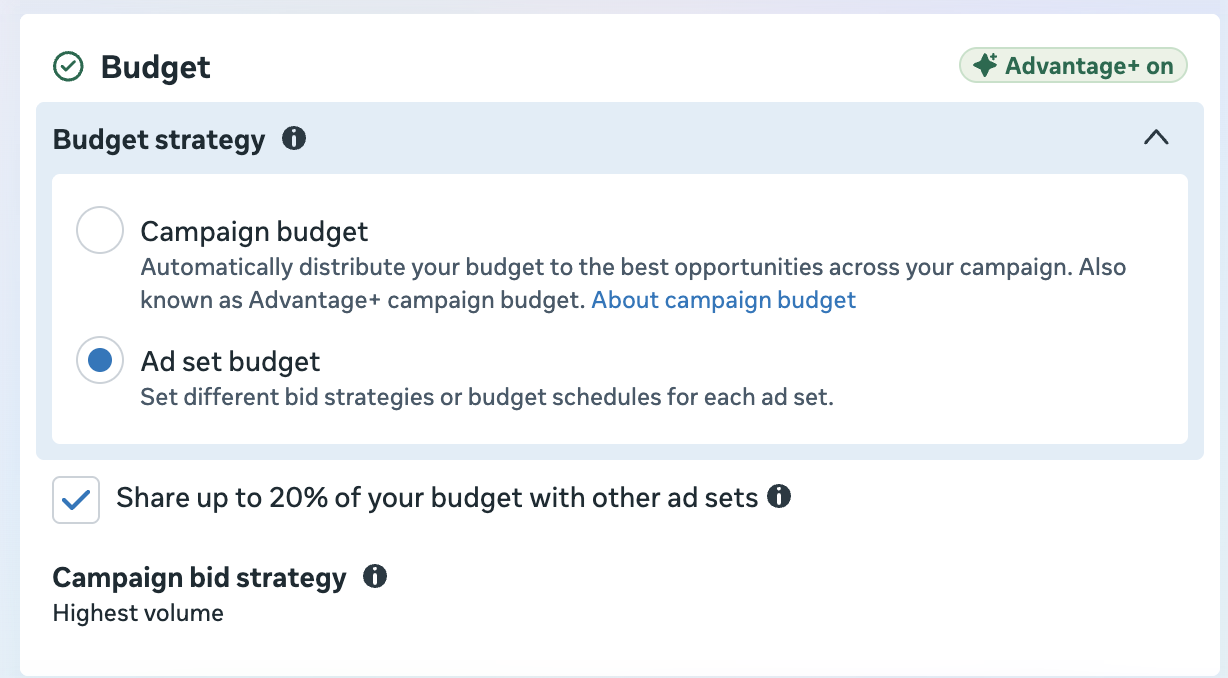
Use ABO when you are testing different creative concepts, audiences, offers, or geographies. It prevents one early signal from starving every other hypothesis before you have a useful read.
Use CBO—now labelled Advantage+ campaign budget by Meta—after creatives have proven they can convert near your target CPA. Meta can then shift budget across ad sets toward the strongest opportunities.
Do not ask CBO to discover your winners. Ask it to distribute budget after your winners have earned the right to scale.
The hybrid setup we use
Strong DTC accounts do not choose a permanent side. They create a simple flow from controlled learning to algorithmic scaling.
- Test new concepts in a lean ABO campaign.
- Promote only ads that meet your CPA and conversion thresholds.
- Scale proven ads inside a consolidated CBO campaign.
- Keep testing separate from the campaign carrying your revenue target.
How one account cut CPA by 28%
An Indian DTC account we managed had kept every audience in ABO long after testing was complete. Equal budgets continued funding weak ad sets while two proven concepts generated most purchases.
We kept ABO for new tests and moved validated ads into a consolidated CBO campaign. During the comparison period, scaling CPA fell by 28%. The win was not “switching to CBO.” It was switching at the right moment.
Your 60-second decision rule
Stop toggling settings because yesterday’s ROAS looked bad. Define whether each campaign exists to learn or scale, then give it the budget structure for that job.
Stampede Digital builds custom Meta budget systems around your creative velocity, margins, conversion volume, and growth target—not a recycled account template.
- Choose ABO when the question is: “Which idea deserves more budget?”
- Choose CBO when the question is: “Where should proven ideas find the next conversion?”
- Choose hybrid when you need to keep learning while scaling.
Creative Strategist | Media Buyer